
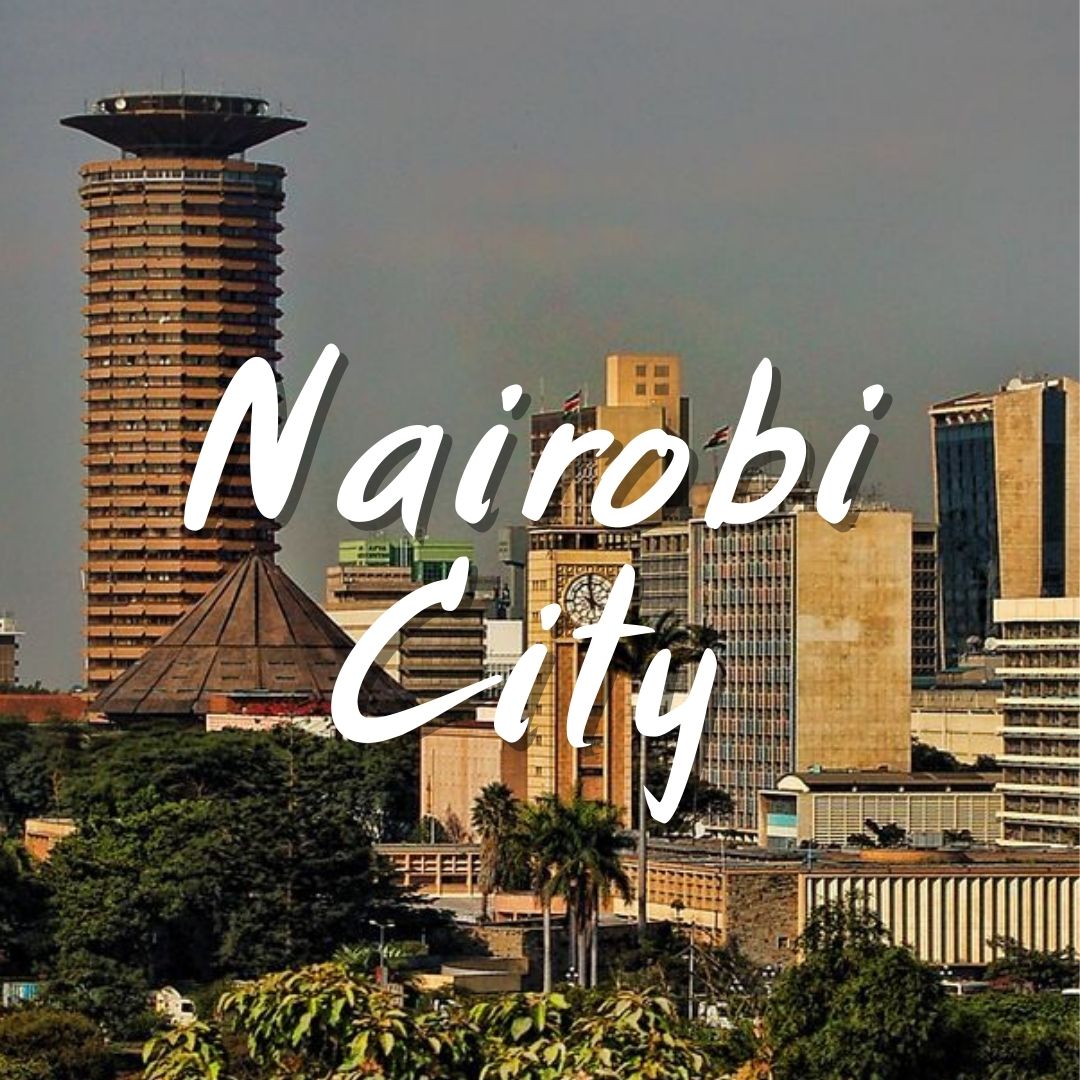
Nairobi, Kenya’s capital city, is a place of remarkable contrasts and deep historical significance. From its beginnings as a small railway settlement to its present role as one of Africa’s most influential cities, Nairobi tells a powerful story of growth, identity, and resilience. Often referred to as The Green City in the Sun, Nairobi blends modern urban life with rich cultural heritage, historical architecture, and even wildlife — all within one dynamic destination.
The Nairobi Guided Day City Tour by Splash Africa Expeditions is designed to uncover this story in depth, guiding visitors through the city’s past, present, and living culture in a way that is both engaging and educational.
The History of Nairobi: From “Place of Cool Waters” to Kenya’s Capital
Long before Nairobi became a bustling modern capital, the land it occupies was a quiet, open plain used by the Maasai people for grazing. They called the area ‘Enkare Nyrobi’, meaning “the place of cool waters,” a reference to the rivers and wetlands that flowed through the region. At the time, there were no permanent settlements — only seasonal movement of communities following water and pasture.
Everything changed in 1899 with the arrival of the Uganda Railway, a colonial project designed to link the Kenyan coast with the interior of East Africa. The British chose Nairobi as a railway depot because of its central location, reliable water supply, and relatively flat terrain. What began as a temporary railway camp quickly attracted workers, traders, and administrators. Shops, homes, and offices sprang up almost overnight, transforming the swampy land into a growing settlement.

By 1907, Nairobi had replaced Mombasa as the capital of British East Africa. The city became an administrative and commercial center, marked by the construction of government buildings, railway infrastructure, and residential neighborhoods. During this period, Nairobi developed along racial and social lines, with different areas designated for Europeans, Asians, and Africans — a structure that would later influence the city’s layout.
Following Kenya’s independence in 1963, Nairobi entered a new era. The city was no longer a colonial outpost but the capital of a free nation. Rapid urbanization followed as people from all parts of Kenya moved to Nairobi in search of opportunity. New institutions were established, education expanded, and Nairobi grew into the political, economic, and cultural heart of the country.
Today, Nairobi stands as one of Africa’s most important cities. It is a regional hub for business, diplomacy, conservation, and innovation, hosting international organizations and serving as a gateway to East Africa. Yet beneath its modern skyline, Nairobi still carries the layers of its past — from its Maasai roots and railway beginnings to its colonial architecture and post-independence growth.
Understanding the history of Nairobi adds depth to every visit. It explains the city’s diversity, its resilience, and its unique character — a city shaped by movement, ambition, and constant change.
Historical Buildings, Museums, and Landmarks That Tell Nairobi’s Story
Nairobi’s history is written not only in archives and textbooks, but also in the buildings and public spaces that define its skyline. As the city evolved from a railway settlement into Kenya’s capital, these structures became symbols of governance, independence, culture, and national identity. Exploring them offers visitors a deeper understanding of Nairobi’s past and its journey into modern nationhood.
1. Kenya National Archives
One of the most important cultural institutions in Nairobi is the Kenya National Archives,
which preserves the country’s historical memory. Inside the building are collections of photographs, manuscripts, newspapers, and political records that document Kenya’s story from pre-colonial times through colonial rule and into independence. Visiting the Archives provides essential context for understanding how Nairobi and the nation developed.
2. City Hall
Nearby stands City Hall, a striking colonial-era building that has served as Nairobi’s administrative headquarters for decades. Built in the early 20th century, City Hall reflects the authority and structure of colonial governance. Today, it continues to function as a civic center, representing continuity between the city’s colonial past and its present role as a modern capital.

3. Kenya Railway Museum
Closely tied to Nairobi’s origins is the Railway Museum, which tells the story of the Uganda Railway — the project that gave birth to Nairobi. The museum houses vintage steam locomotives, railway carriages, tools, and historical exhibits that illustrate the challenges and ambitions behind the railway’s construction. This landmark helps visitors understand how Nairobi grew from a temporary railway camp into a permanent settlement and, eventually, a capital city.
4. 𝐊𝐞𝐧𝐲𝐚𝐭𝐭𝐚 𝐈𝐧𝐭𝐞𝐫𝐧𝐚𝐭𝐢𝐨𝐧𝐚𝐥 𝐂𝐨𝐧𝐯𝐞𝐧𝐭𝐢𝐨𝐧 𝐂𝐞𝐧𝐭𝐫𝐞
Standing tall near the city center is the Kenyatta International Convention Centre (KICC), 
one of Nairobi’s most iconic modern landmarks. Built in the years following independence, KICC symbolizes Kenya’s emergence onto the global stage. Named after Kenya’s first President, Jomo Kenyatta, the building has hosted major international conferences, diplomatic meetings, and national celebrations. Its distinctive cylindrical tower and rooftop viewing deck offer panoramic views of Nairobi, making it both a historical symbol and a visual centerpiece of the city’s skyline.
5. Nairobi National Museum
The journey through Nairobi’s story continues at the Nairobi National Museum, one of East Africa’s most comprehensive museums. The museum presents Kenya’s heritage through archaeology, culture, and natural history. Exhibits on early human evolution place Kenya at the heart of global human origins, while cultural galleries highlight the traditions of Kenya’s diverse communities. Natural history sections showcase wildlife and ecosystems, connecting Nairobi’s urban narrative to the country’s conservation legacy.

Nairobi’s public monuments further enrich the city’s historical landscape. The Dedan Kimathi Statue,
standing along Kimathi Street, honors one of the most important leaders of the Mau Mau freedom movement. Depicted holding a rifle and a dagger, the statue symbolizes resistance, courage, and the fight against colonial oppression.
Nearby, the Jomo Kenyatta Statue near the Kenyatta International Convention Centre commemorates Kenya’s first President and the nation’s journey to independence. His image represents leadership, unity, and the birth of modern Kenya.

Another powerful landmark is the Tom Mboya Statue,

marking the site where the influential political leader was assassinated in 1969. This monument stands as a reminder of the challenges faced during Kenya’s early years of independence and the individuals who shaped its political future. Along Moi Avenue, the Askari Monument honors African soldiers who fought in World War I, acknowledging Kenya’s role in global history and the sacrifices made by its people.
Together, these historical buildings, museums, and monuments form a living museum spread across Nairobi. They tell a story of movement and settlement, struggle and independence, leadership and identity. Visiting these landmarks on a guided Nairobi city tour allows travelers to experience the city not just as a modern capital, but as a place shaped by history, memory, and resilience.
What to Expect When Visiting Nairobi City
Visiting Nairobi is a journey through a city of contrasts — where history, culture, nature, and modernity coexist seamlessly. Travelers can expect a vibrant urban environment bustling with energy, yet punctuated with serene parks, historical sites, and wildlife experiences. The streets of Nairobi are alive with the rhythm of daily life: colorful markets showcasing local crafts, busy cafes serving everything from Kenyan coffee to international cuisine, and streets lined with colonial-era buildings sitting alongside modern skyscrapers.
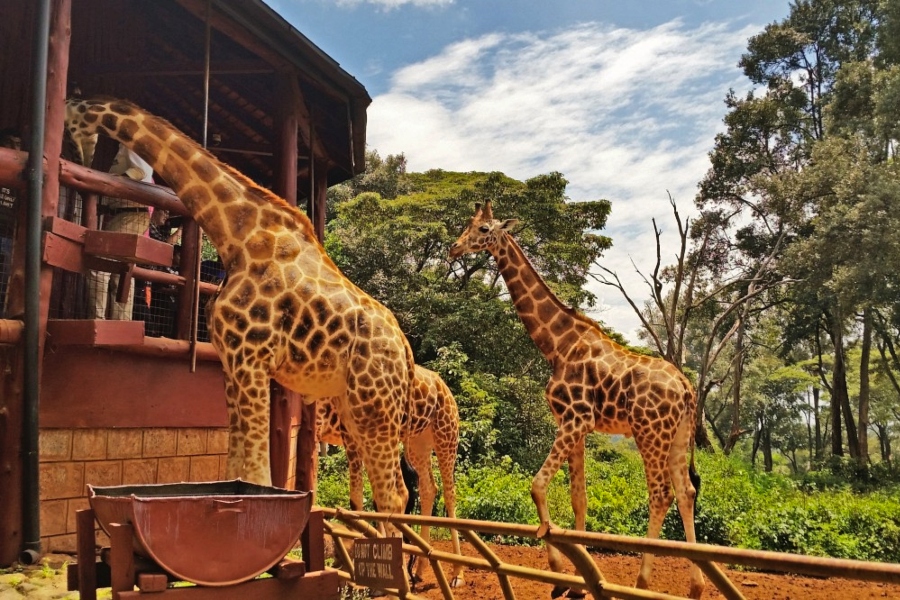
Nairobi is also a cultural mosaic. People from all over Kenya, as well as expatriates from around the world, live and work here, creating a rich tapestry of languages, traditions, and lifestyles. Visitors can explore museums, art galleries, and cultural centers that bring Kenya’s diverse heritage to life. For those who love nature, Nairobi offers a rare urban-wildlife experience at Nairobi National Park, just minutes from the city center, where lions, giraffes, and rhinos roam against a skyline of modern buildings.
Whether you’re interested in history, culture, shopping, dining, or wildlife, Nairobi promises a unique, immersive experience. Every street, landmark, and museum tells a story, and every visit offers new insights into Kenya’s past, present, and future.
Why Visit Nairobi City with Splash Africa Expeditions
The Nairobi Guided Day City Tour by Splash Africa Expeditions is the perfect way to explore this dynamic city. This tour is thoughtfully curated to provide a comprehensive yet relaxed experience, focusing exclusively on Nairobi City’s top attractions. From historical landmarks like the Kenya National Archives, City Hall, and KICC, to cultural gems like the Nairobi National Museum, and even iconic statues that tell Kenya’s story, every stop is designed to educate, inspire, and entertain.
Choosing Splash Africa Expeditions ensures professional guides, comfortable transport, and a well-structured itinerary that maximizes your experience without unnecessary travel or rushing. Visitors also benefit from insider knowledge and storytelling that brings each site to life. Best of all, this Nairobi City Tour is available for only USD 75 per person, making it an accessible yet high-quality option for travelers seeking value, comfort, and a memorable experience.
With Splash Africa Expeditions, you don’t just see Nairobi — you experience it. From history and culture to wildlife and vibrant city life, this tour provides a complete, unforgettable introduction to Kenya’s capital.


Comments (0)
Leave a Comment
No comments yet. Be the first to share your thoughts!